
 | Updated:
 What is copy trading?
This lesson will cover the following
- Why is copy trading so popular?
- Basics of copy trading
- Investing in people
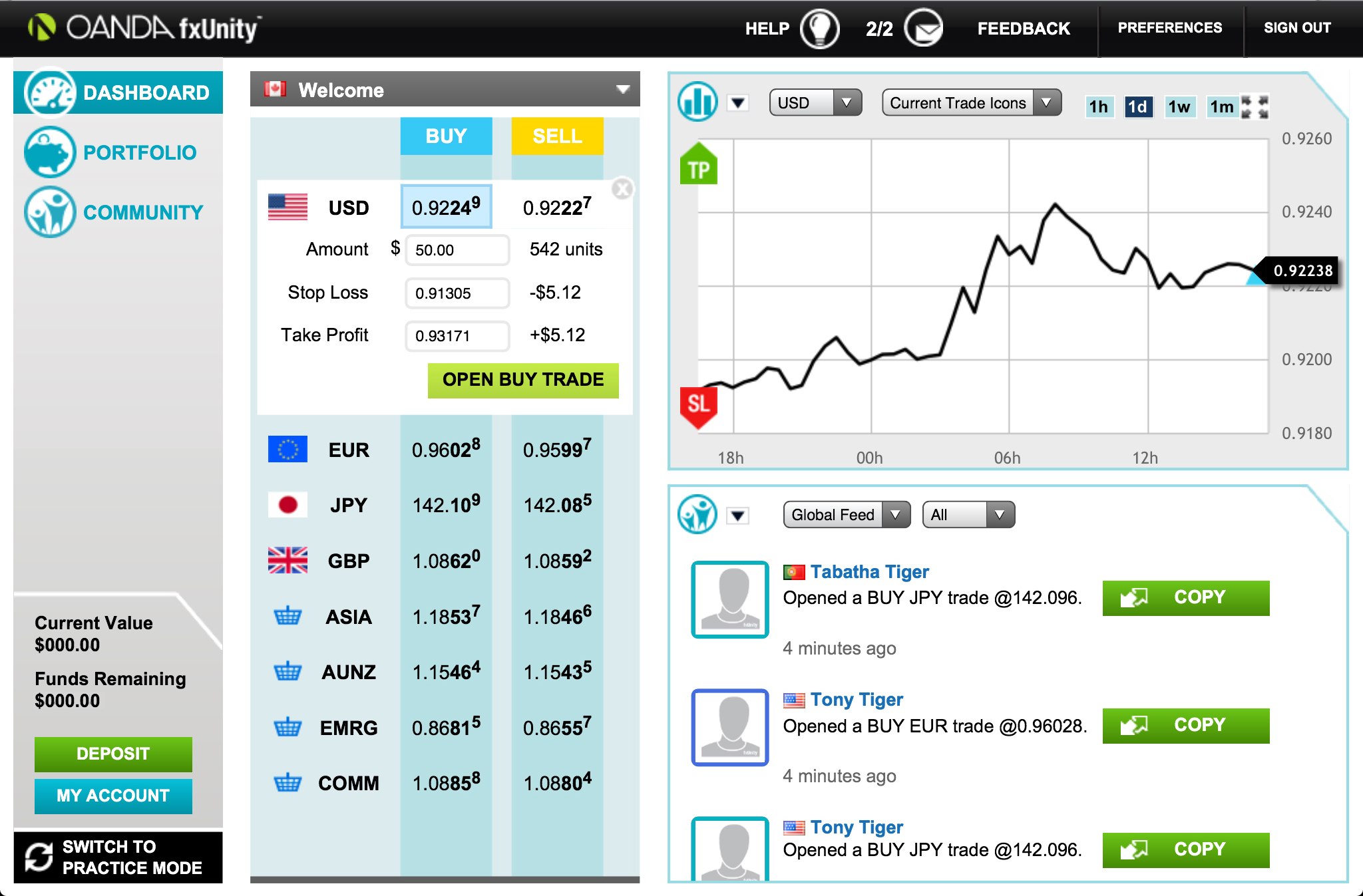
Many of the social forex and stock trading platforms today offer the option of copy trading. Copy trading, as the name suggests, allows you to directly copy the positions taken by another trader and link part of your portfolio with theirs. By linking your profile to another trader’s, you copy all of their current positions on the market, as well as any actions they take thereafter. If they open a new trade, you open a new trade; if they close one, you close; if they win, you win, and sadly – if they lose, so do you. This doesn’t mean that you don’t have any control over the outcome. In most platforms, once you’ve established a connection, you still have the ability to close trades, open new ones and otherwise moderate the overall outcome. However, by copying another trader, you can easily make money based on their skills.
Why is copy trading popular?
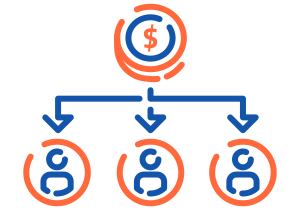
 This type of trading is becoming increasingly popular because it allows new traders to make money in the market. In fact, many traders create so-called ‘people-based’ portfolios. This means that, instead of investing in stocks or forex, they invest in other investors and don’t execute trades themselves.
Basics of copy trading
 The way copy trading is conducted can vary widely, depending on the platform you choose. However, the basic principle remains the same. You invest part of your portfolio in a particular trader and copy all their trades on a percentage basis. In the interest of diversification, most sites won’t allow you to invest more than 20% of your portfolio in a single trader. This is a very good policy because sometimes traders seem better than they are, or they simply hit a bad streak. When that happens, you don’t want to have invested too much in them. We’ll cover some platforms later in the guide, but this is all you need to know for now.
Investing in people
 Just like normal trading, copy trading is based on analysing graphs and statistics (or at least it should be). However, in this case we are observing actual people instead of market movements. It’s really important to look at a trader’s portfolio before copying them. You need to see their strategy, how successful they are, what risk management they exhibit and more. It may sound a bit intimidating right now, but don’t worry – by the end of the guide you will know exactly what you need to do and how to do it.
Is bigger necessarily better?
 There are many new platforms that offer social and copy trading. However, we generally recommend sticking to the big players – they’re already established and have enormous user bases, which means more information and a wider variety of good traders to choose from.
That being said, some newer players in the game might also be worth considering. This is not easy to determine, though. For example, a new site might have a better, improved interface than what you’re used to, but if the user base is small, does the interface really matter? Social and copy trading are based on people, which means that the first thing you should look for in a platform is the number of users. This means that, yes, in most cases, bigger is necessarily better. We will give you more information about picking your platform, as well as choosing a trader, in future sections of the guide. This is all you need to know about the subject right now.
Is copy trading reliable?
 Various studies have been conducted in an attempt to measure the success rate of people who use copy trading. Results show that people who carefully choose their traders based on statistics and portfolio performance are up to 10% more successful than people who trade manually or choose their traders based on personal preferences. The moral of the story – leave your subjectivity at the door. All those stats are there for a reason – use them.
Final words
 Copy trading is great for new traders. It allows you to venture into the intimidating world of finance and potentially make a profit. Even if you lose, there is little chance of wiping out your entire portfolio (unless you invest all your money in losing traders, in which case you’ve been really irresponsible) and, although there are no guarantees, it’s a good way to begin trading. You can observe the decisions they make and the statistics they consult. You can try to understand what they saw that prompted their course of action, and learn from it. Moreover, you still have some control over the trades, which means that you don’t have to put your entire faith in the chosen trader. All in all, copy trading is an excellent way to start trading. You might stop doing so in the future when you learn how things work, but in the beginning we can hardly think of a better starting position. In further sections we will explain how copy trading works in more detail, how to choose a platform, a trader and more.