Key Moments
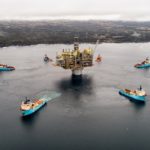
- BP has begun a process to market minority interests in its Kaskida and Tiber Gulf of Mexico projects, according to four people familiar with the situation.
- Each project is expected to have production capacity of 80,000 barrels of oil per day, with start-up targeted for 2029 at Kaskida and 2030 at Tiber.
- The company is targeting around 1 million barrels of oil equivalent per day of U.S. upstream output by 2030, just under half of its global production goal of 2.3 million to 2.5 million boepd.
Strategic Divestment in Gulf of Mexico Assets
BP has initiated a formal process to sell stakes in two major developments in the Gulf of Mexico, according to four people with knowledge of the matter. The move would mark one of the earliest strategic steps under new CEO Meg O’Neill.
The company, described as one of the largest operators in the Gulf of Mexico, has been evaluating the potential sale of minority interests in its Kaskida and Tiber projects for more than a year. Previous reporting cited in the article indicated that each of these assets is estimated to be worth billions of dollars to BP.
The individuals who shared details of the process did not specify the size of the ownership interests BP is seeking to divest. They spoke on condition of anonymity because they were discussing internal deliberations. BP declined to comment in response to a Reuters inquiry.
Portfolio Management and Capital Allocation
According to the article, it is common practice in the industry for oil and gas producers to sell minority stakes in projects that are still under development in order to release capital tied up in those assets.
BP revised its corporate strategy last year, shifting its emphasis back toward oil and gas investments. This represented a move away from an earlier expansion into renewables, following criticism from investors and what was described as weak share price performance.
New Leadership and Core Growth Projects
Meg O’Neill, who is from Boulder, Colorado, assumed the CEO role in April. The article notes that she is BP’s first external chief executive appointment in more than 100 years.
The Kaskida and Tiber fields are characterized in the article as BP’s leading development opportunities in the Gulf of Mexico. Each project is projected to achieve production capacity of 80,000 barrels of oil per day. Kaskida is expected to begin producing in 2029, while first production at Tiber is anticipated in 2030.
| Project | Region | Expected Production Capacity | Estimated Start of Production |
|---|---|---|---|
| Kaskida | Gulf of Mexico | 80,000 barrels of oil per day | 2029 |
| Tiber | Gulf of Mexico | 80,000 barrels of oil per day | 2030 |
U.S. Upstream Ambitions
The London-listed company is described as being increasingly dependent on the United States to fuel its growth. BP is aiming to raise its U.S. upstream production to around 1 million barrels of oil equivalent per day by 2030. That figure would represent just under half of its stated global upstream production objective of between 2.3 million and 2.5 million barrels of oil equivalent per day over the same period.
| Region | Target Output by 2030 |
|---|---|
| United States (upstream) | Around 1 million boepd |
| Global (upstream) | Between 2.3 million and 2.5 million boepd |
Oil Price Backdrop
The article states that oil prices have risen by more than 40% so far this year, attributing the move to disruptions in global supply linked to the U.S.-Israeli war on Iran.
 TradingPedia.com is a financial media specialized in providing daily news and education covering Forex, equities and commodities. Our academies for traders cover