Key Moments
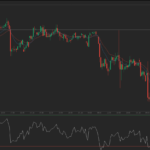
- GBP/USD trades near 1.3390 in Asian hours, extending its decline for a second consecutive session as the US Dollar benefits from risk aversion linked to Middle East tensions.
- UK unemployment edges up to 5% over the three months to March, from 4.9% in the prior three-month period, while softer wage dynamics give the BoE more time before deciding on further rate moves.
- Fiscal concerns ease after Andy Burnham rules out altering UK borrowing limits, even as political risks persist around a potential leadership challenge to Prime Minister Keir Starmer.
Risk-Off Flows Pressure GBP/USD
GBP/USD continued to weaken for a second straight day, trading around 1.3390 during Asian dealings on Wednesday. The pair came under pressure as the US Dollar found support from a shift toward safe-haven assets amid escalating tensions in the Middle East.
According to Bloomberg, US President Donald Trump recently signaled that he could restart attacks on Iran within the next two or three days as part of efforts to secure an agreement to end the war. This followed a short halt in planned military action after Tehran advanced a new proposal aimed at ending the US-Israeli conflict.
An Iranian official responded that any large-scale US assault would be met firmly, stressing that Iran is fully prepared to respond to any military action. The exchange of threats reinforced the broader risk-off mood, bolstering demand for the US Dollar and weighing on risk-sensitive currencies such as the British Pound.
Fed Policy Stance and Implications for the Dollar
On the monetary policy front, Federal Reserve Bank of Philadelphia President Anna Paulson commented that current policy settings are mildly restrictive. She said this stance is helping to contain inflationary pressures while keeping the labor market stable.
Paulson noted that the existing policy rate is appropriate for exerting downward pressure on inflation. However, she also stated that an additional rate hike remains possible if economic growth surpasses its potential or if fresh inflation risks emerge. These remarks supported expectations that the Federal Reserve could keep policy relatively firm, providing an additional underpinning for the US Dollar.
UK Labor Market Softens, Easing Pressure on BoE
The British Pound remained under pressure amid signs of cooling in the UK labor market. The unemployment rate rose modestly to 5% in the three months to March, up from 4.9% in the three months to February. Analysts indicated that these data represent the first visible impact of the Middle East war on the UK jobs market, cautioning that labor demand is likely to weaken further if the conflict persists.
At the same time, wage growth has slowed, contributing to a more subdued backdrop for the Pound. The combination of higher unemployment and softer wage dynamics provides the Bank of England with additional time to evaluate incoming data. This gives policymakers more flexibility in deciding whether further interest rate increases are needed to keep inflation in check.
| Indicator | Latest Reading | Previous Period |
|---|---|---|
| GBP/USD (Asian hours, Wednesday) | 1.3390 (around) | – |
| UK Unemployment Rate (3 months to March) | 5% | 4.9% (3 months to February) |
Political Developments and Market Sentiment in the UK
Domestic politics also influenced sentiment around UK assets. Fiscal worries moderated after Andy Burnham, viewed as the leading potential challenger to UK Prime Minister Keir Starmer, stated that he would not alter the government’s borrowing limits. His stance helped ease investor concern over the prospect of a looser fiscal framework.
Nonetheless, political uncertainty has not disappeared. Prime Minister Starmer maintained that he would not resign even if Burnham prevails in the upcoming by-election, raising the possibility of a leadership contest within the government. While these developments offered some reassurance on fiscal discipline, they also highlighted ongoing political risk, which can feed into broader market perceptions of UK assets and the Pound.
 TradingPedia.com is a financial media specialized in providing daily news and education covering Forex, equities and commodities. Our academies for traders cover