Key Moments
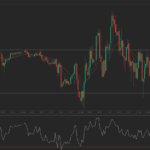
- GBP/USD trades near 1.3430 in Asian hours, extending gains for a third session.
- UK employment rose by 82K in the three months to November, reversing an earlier decline.
- Attention now turns to UK CPI, PPI, and Retail Price Index data due later Wednesday.
GBP/USD Supported by Strong UK Labor Data
GBP/USD remained supported early Wednesday. The pair hovered near 1.3430 during Asian trading. As a result, it stayed in positive territory for a third straight session.
The move followed a positive surprise from the UK labor market. Employment rose by 82K in the three months to November. This reversed a prior fall of 17K in the previous period.
Hiring Improvement Lifts Sterling Sentiment
Moreover, the improvement in hiring conditions boosted confidence in the Pound Sterling. Investors viewed the data as a sign of resilience in the wider UK economy.
Wage Growth Holds Firm Ahead of Inflation Reports
At the same time, wage figures showed steady growth. Average Earnings excluding bonuses rose 4.5% year-on-year. Meanwhile, earnings including bonuses increased 4.7%.
However, the Unemployment Rate remained unchanged at 5.1%. This reading missed expectations for a slight drop to 5.0%. Even so, the data reinforced a stable labor backdrop.
Markets Await Key UK Inflation Data
Attention now shifts to inflation releases due later Wednesday. Traders are watching the December CPI, PPI, and Retail Price Index closely.
These figures should offer more clarity on price pressures. In turn, they may shape expectations for future monetary policy decisions.
| Indicator | Latest Reading | Prior / Expected |
|---|---|---|
| Employment change (3 months to November) | +82K | -17K (prior) |
| Average Earnings (ex-bonuses, YoY) | 4.5% | — |
| Average Earnings (including bonuses, YoY) | 4.7% | — |
| Unemployment Rate | 5.1% | 5.0% expected |
US Dollar Weakness Adds to GBP/USD Gains
Meanwhile, broader US Dollar weakness has supported GBP/USD. Political and trade tensions involving the United States continue to weigh on sentiment.
In particular, concerns around US–Greenland relations intensified. President Donald Trump stated there was “no going back” on his ambitions regarding Greenland. Earlier, he also warned of new 10% tariffs on eight EU countries.
As a result, fears of slower global growth increased. In addition, Trump threatened a 200% tariff on French wines after President Emmanuel Macron declined to join his “Board of Peace.” These comments kept pressure on the USD.
European Parliament Signals Potential Trade Escalation
Tensions have also risen within Europe. Lawmakers in the European Parliament are preparing to halt approval of a US trade deal agreed in July.
An announcement is expected Wednesday in Strasbourg. This move highlights the risk of further escalation in US–Europe trade relations.
Pound Sterling Overview
What Is the Pound Sterling?
The Pound Sterling (GBP) is the world’s oldest currency, dating back to 886 AD. It is the official currency of the United Kingdom.
GBP is the fourth most traded currency globally. It accounts for about 12% of daily FX turnover, or roughly $630 billion, based on 2022 data.
Its main trading pairs include GBP/USD, known as “Cable,” GBP/JPY, and EUR/GBP. The Bank of England (BoE) issues the Pound.
How the Bank of England Influences GBP
Monetary policy is the most important driver of the Pound’s value. The BoE focuses on price stability, targeting inflation near 2%.
When inflation rises too much, the BoE may raise interest rates. Higher rates often support GBP by attracting foreign investment.
Conversely, when growth slows, the BoE may cut rates. Lower borrowing costs can support the economy but may weaken Sterling.
Impact of Economic Data on the Pound
Economic data releases also shape GBP performance. Key indicators include GDP, PMIs, and employment figures.
Strong data tends to lift Sterling. It may also raise expectations of tighter monetary policy. Weak data, however, often pressures the currency.
Why the Trade Balance Matters
The Trade Balance measures the gap between exports and imports. It plays a key role in currency valuation.
A surplus boosts demand for a currency. In contrast, a deficit can weigh on it. As a result, trade data remains important for GBP traders.
 TradingPedia.com is a financial media specialized in providing daily news and education covering Forex, equities and commodities. Our academies for traders cover