Key Moments
- XAG/USD trades near $57.60 per troy ounce in Asian hours, extending its losing streak to a third session.
- CME FedWatch Tool shows a 51% implied probability of a Fed rate hike in September versus a 23% chance of no change.
- Trump reinstated a naval blockade on Iranian traffic through the Strait of Hormuz and imposed a 20% fee on other commercial cargo.
Silver Under Pressure as Oil Gains on Middle East Strains
Silver (XAG/USD) extends its decline for a third straight session, trading around $57.60 per troy ounce during Asian dealing on Tuesday. The non-yielding metal faces selling pressure as intensifying conflict in the Middle East drives oil prices higher, heightening concerns that energy-induced inflation could compel the Federal Reserve to maintain restrictive interest rates for longer.
Rising oil prices have reinforced fears that inflation will remain stubborn, undermining appetite for assets that do not offer yield and weighing on silver’s performance.
Rate-Hike Odds Shift After FedWatch Repricing
Market expectations for Federal Reserve policy have moved sharply. According to the CME FedWatch Tool, pricing now reflects a 51% probability of a rate increase in September, compared with only a 23% chance that the Fed will keep rates unchanged.
This repricing reflects growing concerns that persistent inflation pressures could push policymakers toward a more hawkish stance, a trend that typically challenges precious metals such as silver.
| Scenario (September) | Implied Probability |
|---|---|
| Fed rate hike | 51% |
| Rates on hold | 23% |
Geopolitics: Blockade and Transit Fee at Strait of Hormuz
US President Donald Trump has reinstated a naval blockade on Iranian vessels and their customers using the Strait of Hormuz. At the same time, he announced that all other commercial shipments transiting the chokepoint will be subject to a 20% reimbursement fee.
The measures at this key maritime route have contributed to the upswing in oil prices, feeding the broader inflation narrative that is pressuring silver.
Key Data and Fed Testimony on the Horizon
Traders are bracing for two significant macroeconomic events scheduled for Tuesday. The first is the US June Consumer Price Index (CPI) release. Analysts expect a split outcome, with headline inflation projected to fall 0.1% month-on-month, while the core CPI reading is anticipated to rise 0.3%.
The second focal point will be Federal Reserve Chair Kevin Warsh’s congressional testimony. Market participants plan to scrutinize his remarks closely for any signals on whether the Fed will endorse the market’s increasingly hawkish outlook.
Silver as an Investment: Key Characteristics
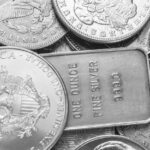
Silver is a widely traded precious metal that has historically served as both a store of value and a medium of exchange. While it attracts less attention than Gold, investors often turn to silver to diversify portfolios, for its intrinsic value, or as a possible hedge during periods of elevated inflation. Exposure can be gained via physical holdings such as coins and bars or through instruments like Exchange Traded Funds that mirror its price performance in global markets.
Drivers of Silver Prices
Multiple factors influence silver’s price behavior. Geopolitical risk or rising concerns about a severe economic downturn can lift silver because of its safe-haven properties, though typically with less intensity than Gold. As a yieldless asset, silver tends to benefit when interest rates fall. Movements in the US Dollar (USD) are also important, as silver is quoted in dollars (XAG/USD). A stronger USD generally restrains silver prices, while a weaker USD tends to support them.
Other key elements include investment demand, mining output – silver is significantly more abundant than Gold – and recycling flows, all of which can alter the metal’s supply-demand balance.
Industrial Demand and Economic Cycles
Industrial usage is a major pillar of silver demand, particularly in areas such as electronics and solar energy, where silver’s electrical conductivity ranks among the highest of all metals, exceeding that of Copper and Gold. Robust industrial demand can put upward pressure on prices, while weaker demand can weigh on them.
Economic developments in the US, China, and India can be important catalysts. Industrial activity in the US and especially China drives consumption of silver in various processes, while in India, consumer demand for silver jewelry plays an influential role in shaping price dynamics.
Relationship Between Silver and Gold
Silver often trades in tandem with Gold. When Gold prices advance, silver frequently moves higher as well, reflecting their shared status as safe-haven assets. The Gold/Silver ratio, which indicates how many ounces of silver are equivalent in value to one ounce of Gold, is sometimes used to gauge relative value between the two metals.
Some market participants view a high Gold/Silver ratio as a potential sign that silver is undervalued or Gold is overpriced. Conversely, a low ratio can be interpreted as Gold being undervalued relative to silver.
 TradingPedia.com is a financial media specialized in providing daily news and education covering Forex, equities and commodities. Our academies for traders cover